Flats clearance and rubbish removal Brownhill Road Catford
If you live, manage, or are clearing a flat near Brownhill Road in Catford, rubbish can pile up faster than you expect. One old sofa, a broken fridge, a couple of bags from a cupboard clear-out, and suddenly the hallway feels tighter, the stairs feel steeper, and the whole place just looks stuck. Flats clearance and rubbish removal Brownhill Road Catford is about getting that space back quickly, safely, and with as little stress as possible.
This guide explains how flat clearance usually works, what can be removed, what to look for in a reliable service, and the practical mistakes that cause delays or extra cost. You will also find a checklist, a comparison table, and a real-world example so you can make a sensible decision without guesswork.
Why Flats clearance and rubbish removal Brownhill Road Catford Matters
Flat clearance is not just about tidying up. In a shared building, rubbish affects neighbours, access routes, ventilation, pest risk, and day-to-day comfort. A single pile of waste in a communal entrance can become everyone's problem before long. To be fair, most people only realise this once the bags have been sitting there for a week and the lift starts smelling a bit off.
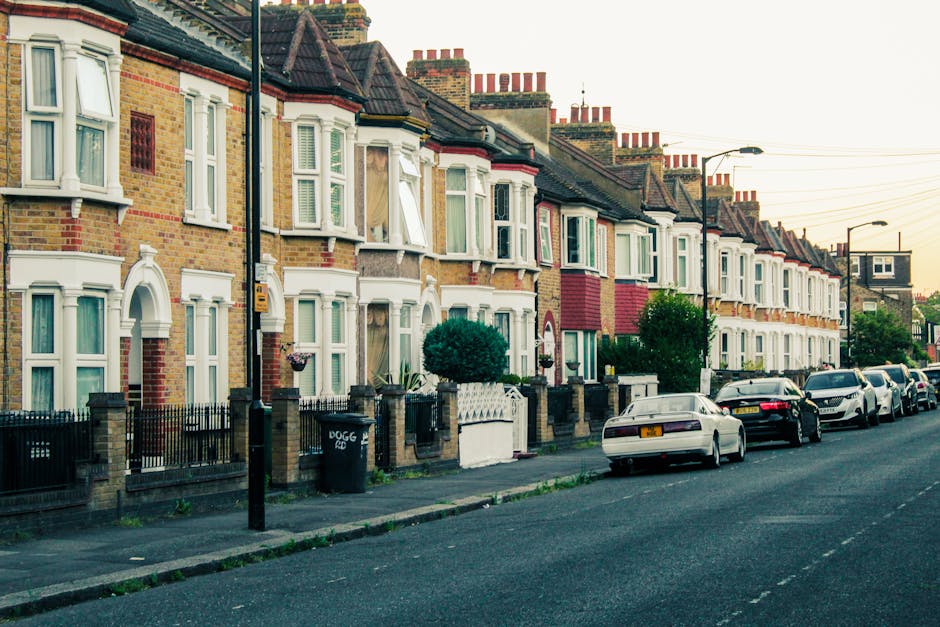
Brownhill Road and the wider Catford area include a mix of flats, maisonettes, conversions, and smaller blocks where access can be awkward. Narrow stairwells, parking restrictions, shared entrances, and time-sensitive moves all make domestic waste removal more complicated than loading a van outside a house. That is why a well-planned clearance matters: it reduces disruption, protects the building, and gets the job done in one visit where possible.
It also matters from a trust point of view. You want the right items removed, the right waste streams separated, and anything reusable or recyclable handled properly. A professional approach usually feels calmer, cleaner, and more predictable. And honestly, when you are dealing with a flat that needs emptying, predictable is a lovely word.
Expert summary: Flat clearance works best when the plan is clear before the team arrives, access is understood in advance, and the waste is sorted into the right categories rather than treated as one mixed heap.
How Flats clearance and rubbish removal Brownhill Road Catford Works
Most flat clearances follow a straightforward process, but the details matter. A good service begins by understanding what needs removing, where the flat is located, how easy it is to access, and whether there are any awkward items such as appliances, mattresses, or heavy furniture.
If you are comparing services, it helps to look at the provider's broader approach to waste handling. Pages such as waste removal, flat clearance, and furniture disposal can give you a useful sense of what is typically covered and how different item types are dealt with.
In practical terms, the process usually includes an initial discussion, a time slot or booking, on-site assessment if needed, lifting and loading, responsible sorting, and final disposal. Some items may be suitable for reuse or recycling. Others, such as damaged or contaminated goods, may need separate handling. If there is a fridge, freezer, or similar appliance, it is sensible to ask in advance about fridge and appliance removal.
For flats, the access question is a big one. Is there a lift? Is parking close by? Are there communal hallways to protect? Will the crew need to carry items down several flights of stairs? These are not minor details. They shape timing, labour, and the smoothness of the job. The difference between a quick clearance and a frustrating one is often a staircase and a missing parking bay. That's life in London, really.
Key Benefits and Practical Advantages
The main benefit is obvious: you get your space back. But there are several other advantages that make a professional flat clearance worth considering.
- Less hassle: You do not need to lift bulky items, hire a van, or make repeated trips to a tip.
- Safer handling: Heavy furniture and sharp or awkward objects are moved with proper technique.
- Cleaner finish: The flat is left ready for sale, letting, renovation, or handover.
- Better sorting: Reusable and recyclable materials can be separated from general waste where appropriate.
- More flexibility: A good service can often work around building access, moving deadlines, and estate rules.
There is also a real mental benefit. A cluttered flat has a habit of hanging over you. Every time you walk in, you see the same old pile and think, "I'll sort that next week." Then next week turns into next month. Clearing it properly breaks that cycle. It is oddly satisfying, almost absurdly so.
If the clearance is connected to a move, a tenancy change, probate, or refurbishment, the value goes up again. Delays cost time. Time costs money. And in a shared block, delays can also mean complaints from neighbours or the managing agent. A well-run clearance keeps the whole thing moving.
Who This Is For and When It Makes Sense
Flat clearance and rubbish removal in Brownhill Road Catford is useful for a wide range of people, not just landlords or property managers. The most common situations are actually quite ordinary.
- Tenants moving out: When you need to leave the flat empty and tidy.
- Landlords and letting agents: After tenants move on and leave bulky waste behind.
- Homeowners: If you are downsizing, decluttering, or preparing for work.
- Family members handling an estate: When a flat needs careful, respectful clearing.
- Developers and contractors: For pre-refurbishment strip-outs or post-work waste.
- Busy professionals: If you simply do not have the time or physical ability to remove it yourself.
It makes sense whenever the waste is too bulky, too heavy, too much in volume, or too awkward to manage through normal household disposal. One or two black sacks? Fine. A sofa, a wardrobe, a broken mattress, a fridge, and a handful of mixed junk? That is a different story.
Many people also use flat clearance when they want a flatter, simpler route than hiring a skip. If you are not sure which route suits your situation, browsing related pages such as house clearance, home clearance, and furniture clearance can help you compare the scope of each service.
Step-by-Step Guidance
If you want the smoothest possible clearance, treat it like a small project rather than a last-minute panic. That alone saves a lot of hassle.
- Walk through the flat first. Make a quick list of what stays, what goes, and what needs special handling.
- Separate important items. Keep documents, keys, medication, photos, and valuables in a safe place before anyone starts moving furniture.
- Identify difficult items. Fridges, mattresses, sofas, electricals, and anything heavy should be mentioned early.
- Check access. Note stair count, lift access, parking restrictions, and any building rules.
- Ask for a quote. The more accurate the item list, the more reliable the estimate tends to be.
- Confirm the collection window. If you have a move-out deadline, make the timing clear.
- Prepare the route. Clear hallways where possible so loading can happen safely and quickly.
- Stay available for questions. A few minutes of clarification on the day can prevent a lot of fuss.
For example, if a one-bedroom flat has a sofa, bed frame, wardrobe, broken TV unit, and mixed bagged waste, the service can usually estimate the workload far better than if you simply say "some stuff." That tiny bit of detail really does matter.
If you are planning ahead, you may also want to look at pricing and quotes before booking. It helps set expectations early, especially if the job includes awkward access or a heavy item or two.
Expert Tips for Better Results
A few small choices can make a surprisingly big difference to the outcome.
- Take photos before booking: A quick set of pictures helps the team understand volume and access.
- Group items by room: That makes loading faster and cuts down on confusion on the day.
- Keep keepers away from goers: It sounds obvious, but it avoids accidental disposal.
- Tell the crew about fragile shared areas: If the hallway walls are scuffed easily, say so.
- Ask about recycling: Not everything needs to go into general waste.
One practical tip that often gets missed: if you are clearing a flat after a tenant has left, check cupboards, loft spaces, and behind larger furniture before the team arrives. You would be surprised how often a "nearly empty" flat still hides two bags of old paperwork, a broken fan, and a bicycle wheel that nobody claims.
It can also help to ask whether the provider has a clear approach to safety and insurance. Relevant pages like insurance and safety and health and safety policy are good signals that the operation is structured rather than improvised.
Common Mistakes to Avoid
Most problems with flat clearance are preventable. A few are genuinely annoying, especially in a block with neighbours watching every move from behind the curtain.
- Underestimating volume: What looks like a small pile in the corner can fill a van quickly.
- Forgetting access details: A locked gate or tight stairwell can slow everything down.
- Mixing hazardous items with general waste: Some materials need separate handling.
- Leaving it too late: Moving day is not the best time to realise the flat still needs a full clear-out.
- Not checking what is included: Heavy lifting, appliance removal, and disposal categories may all be handled differently.
Another common mistake is assuming every service works the same way. It does not. Some teams are better suited to mixed domestic rubbish, while others are more focused on bulky furniture, builders' spoil, or office clearances. If your flat has renovation waste, a look at builders waste clearance may also be useful.
And one more thing: do not assume every item can just be thrown together. A fridge, a sofa, a mattress, and broken glass might all need different treatment. That is boring admin, yes, but it keeps the job cleaner and safer.
Tools, Resources and Recommendations
You do not need specialist equipment to prepare for a flat clearance, but a few basic tools make the process much easier.
- Heavy-duty bags or boxes: Useful for sorting smaller loose items.
- Marker pen and labels: Great for marking keep, donate, recycle, or remove.
- Gloves: Sensible for dusty cupboards, old storage areas, or mixed waste.
- Phone camera: A quick photo log helps with quoting and checks.
- Tape and tie wraps: Handy for securing drawers, lids, or bundled items.
From a service perspective, it helps to understand the difference between flat clearance, furniture disposal, and general waste removal. The right choice depends on what you have and how much of it there is. If the job includes bulky items like a sofa or mattress, the relevant service pages such as mattress and sofa disposal can give you a clearer idea of handling expectations.
If you care about reuse and lower waste, take a look at the provider's recycling and sustainability approach. In real life, the best rubbish removal jobs are the ones where less ends up as general waste than strictly necessary. Simple as that.
Law, Compliance, Standards, or Best Practice
For rubbish removal in the UK, the important point is that waste should be handled responsibly and by people who know what they are doing. You do not need to memorise legislation to make a sensible choice, but you do need to understand the basics.
As a customer, best practice is to use a service that can explain how waste is collected, moved, sorted, and disposed of. If confidential papers are involved, then a specific process such as confidential shredding is worth asking about. If a flat contains chemicals, paint, or other risky items, you should raise that early and confirm whether hazardous waste disposal is needed.
There is also a practical compliance angle around common areas. In flats, shared hallways, stairwells, and entrances should be kept clear. Items should not be left blocking fire routes or forcing neighbours to squeeze around bags. That is basic good practice, not drama, and it matters.
Another point worth mentioning is payment and service clarity. A reputable business should be transparent about booking steps, terms, and payment handling. Pages such as payment and security and terms and conditions are a useful sign that the process is being treated professionally.
If you ever need to understand the company side a bit more, the about us page can help you see who is behind the service and how they present their standards. It's one of those small trust signals people often skip, then regret later.
Options, Methods, or Comparison Table
There are a few ways to handle flat clearance and rubbish removal, and the right choice depends on volume, urgency, and what you are comfortable doing yourself.
| Method | Best for | Pros | Limitations |
|---|---|---|---|
| DIY disposal | Small amounts of waste you can carry yourself | Low direct cost, full control | Time-consuming, physically hard, multiple trips |
| Skip hire | Large clear-outs with space for a skip | Good for ongoing work, flexible loading | Needs parking space and can be awkward in flats |
| Man and van rubbish removal | Flat clearances, bulky items, quick turnarounds | Fast, lift-and-load service, less hassle | Usually based on volume and labour, so quote clarity matters |
| Specialist item disposal | Appliances, mattresses, sofas, confidential waste, hazardous materials | Handled appropriately, reduces risk | May need separate arrangement for certain items |
For many flats on or near Brownhill Road, a lift-and-load collection is the simplest option because parking and access can be tricky. Skip hire can still work, but only when the building layout and permissions make it practical. If you are unsure what fits, checking what can go in a skip can help you compare options more clearly.
Case Study or Real-World Example
A common real-world scenario goes like this. A couple are moving out of a two-bedroom flat near Brownhill Road. The lease ends on Friday. There is a sofa that will not fit in their new place, an old mattress, a wardrobe with a missing door, and several bags of mixed clutter from the cupboard under the stairs. They have already packed the essentials, but the flat still looks half-lived-in. You know that look. Boxes in the kitchen. A lamp on the floor. One lonely charger dangling from the wall.
Instead of trying to do everything themselves over two evenings, they arrange a flat clearance visit. They photograph the main items, explain access through the communal entrance, mention that the building has a narrow stairwell, and ask about the fridge removal separately. On the day, the crew clears the flat in one pass, protects the route through the hallway, and leaves the space empty for the final handover.
The main lesson is simple: preparation saved time. Not because the job was tiny, but because the details were shared early. In this kind of work, that is half the battle.
It also avoids those awkward last-minute moments where someone realises the mattress is heavier than expected or the fridge still has water inside. Little things, but they add up fast.
Practical Checklist
Use this checklist before booking any flats clearance and rubbish removal service in Brownhill Road Catford.
- List every item that needs removing.
- Separate valuables, documents, and items you want to keep.
- Take clear photos of the larger items.
- Check stair access, lift access, and parking restrictions.
- Note any awkward, heavy, or fragile items.
- Ask about fridges, mattresses, sofas, and appliances.
- Flag any hazardous or confidential materials early.
- Confirm the collection date, arrival window, and payment method.
- Make sure hallways and entrances are as clear as possible.
- Read the service terms so you know what is included.
If you want to move ahead, you can also review book online when you are ready to arrange a collection. And if you still have a couple of questions before that, the main contact us route is there for a reason.
Conclusion
Flats clearance and rubbish removal Brownhill Road Catford is really about making a complicated task feel manageable. Once access, item types, and timing are sorted, the rest becomes much easier. The best results usually come from clear communication, honest item lists, and a service that treats your flat like a real living space, not just a pile of waste to be shifted.
Whether you are clearing after a move, preparing for refurbishment, or helping a relative handle a difficult property, a careful approach saves time and stress. It also helps protect shared spaces and keeps the process respectful, which matters more than people sometimes admit.
Get a free quote today and see how much you can save.
And if you are still weighing things up, that is fine. A good clearance decision is rarely rushed. Better to get it right, breathe out, and enjoy the empty space once it is done.
Frequently Asked Questions
What is included in flats clearance and rubbish removal in Brownhill Road Catford?
It usually includes the collection, loading, and responsible disposal of unwanted items from a flat. That can cover furniture, mixed household rubbish, appliances, mattresses, and other bulky items, depending on the service and what you have listed.
Can you remove items from upper-floor flats without a lift?
Yes, in many cases. Access via stairs is common in flat clearance work. The important thing is to mention the number of flights and any tight turns when you request a quote, because that affects time and labour.
Do I need to sort everything before the team arrives?
Not always, but some sorting helps. At the very least, separate anything you want to keep from anything being removed. If you can group similar items together, the job tends to move more smoothly.
How do I know if something counts as hazardous waste?
Items such as chemicals, paint, some cleaning products, and certain electrical or contaminated materials may need special handling. If you are unsure, raise it before the clearance so the provider can advise properly.
What happens to furniture after it is collected?
That depends on condition and the provider's process. Some items may be suitable for reuse or recycling, while damaged items usually go through the appropriate waste route. It is best not to assume everything is treated the same way.
Is flat clearance better than hiring a skip?
For many flats, yes, because a lift-and-load service avoids the need for skip space and makes access easier. A skip can still be useful for larger projects, but flats often make that option less practical.
How far in advance should I book a clearance?
If you have a move-out date or contractor deadline, book as early as you can. Even a short lead time helps. Last-minute jobs can still be possible, but it is always easier when the schedule is not squeezed.
Can confidential papers be removed safely?
Yes, but they should be handled separately from ordinary rubbish. Ask about confidential shredding if your flat contains paperwork, old records, or anything personal that should not just be mixed in with general waste.
What if I only have a few large items?
That is still a very common reason people use flat clearance. A sofa, mattress, wardrobe, or fridge can be awkward to move yourself, especially in a shared building, and a collection service can save a lot of effort.
How do I get a more accurate quote?
Provide a clear item list, photos if possible, and information about access. The more the provider knows about stairs, parking, bulky items, and waste type, the more accurate the estimate is likely to be.
Can flat clearance help before a refurbishment?
Absolutely. Clearing the flat first makes decorating, flooring, and repairs much easier. It also gives contractors a cleaner, safer space to work in, which tends to speed things up.
What should I check in the terms before booking?
Look at what is included, how access issues are handled, whether there are extra charges for awkward items, and how payment works. If you want to understand the provider's general approach too, the pages on terms and conditions and payment and security are worth reviewing.