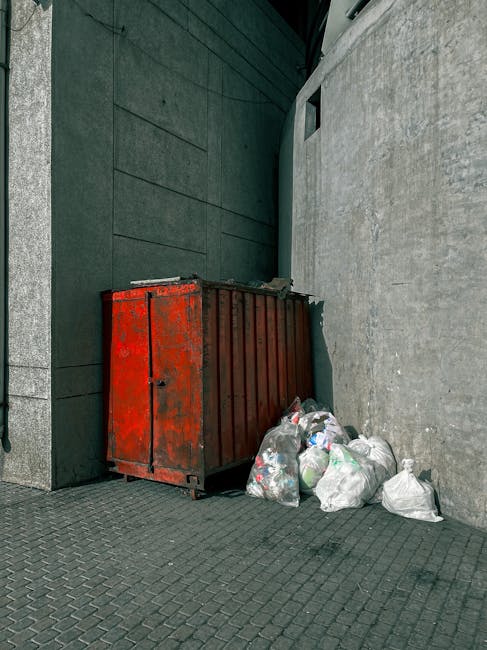
Commercial rubbish removal for Catford shops and cafes

If you run a busy shop, bakery, cafe, takeaway, salon, or small hospitality venue in Catford, waste can become a daily headache before you even notice it. One minute it is a couple of cardboard boxes and a broken stool; the next, there are sacks behind the counter, packaging in the back room, and a bin area that smells a bit off on a warm afternoon. Commercial rubbish removal for Catford shops and cafes is about keeping all of that under control without disrupting trading, staff routines, or customer flow.
This guide walks through how the service works, what it is useful for, where the real risks sit, and how to choose a method that actually suits a local business. It is practical, straightforward, and aimed at people who need the job done properly rather than theoretically. Truth be told, when waste starts creeping into customer space, it tends to affect everything else too.
Why Commercial rubbish removal for Catford shops and cafes Matters
For local businesses, waste is not just an afterthought. It affects presentation, hygiene, storage, staff morale, and sometimes even customer trust. A cafe with overflowing sacks near the back door looks tired. A shop with broken shelving, old packaging, and surplus stock piled in the stockroom loses usable space fast. And once clutter builds up, it often becomes one of those jobs everyone keeps meaning to do, but never quite gets round to.
Catford shops and cafes tend to operate in tight, practical spaces. That means waste removal has to be quick, tidy, and predictable. You may only have a narrow rear access, shared service areas, or limited time when deliveries are not coming in. In those conditions, a flexible commercial waste clearance approach is often more useful than relying on staff to move everything in-house or trying to fit awkward items into the everyday bin cycle.
It also matters because different waste types need different handling. Cardboard, food packaging, broken furniture, refrigeration units, office clutter, and mixed commercial rubbish all behave differently. Treating them all the same is where problems start. If you need a broader service for regular trade waste and ad hoc clearances, the site's business waste removal service is a sensible place to compare options.
Expert summary: the best commercial rubbish removal is not just about taking waste away. It is about protecting trading space, keeping entrances presentable, reducing stress for staff, and making sure the business does not trip over its own leftovers. Simple, really. But not always easy.
How Commercial rubbish removal for Catford shops and cafes Works
The process is usually much simpler than people expect. In most cases, the business identifies what needs clearing, books a collection, and the team removes the waste from the premises, often on the same day or at a time that suits trading hours. For a cafe, that might mean an early-morning collection before the first coffees. For a shop, it may be after closing or during a quieter delivery window.
Commercial clearance is usually more flexible than a skip because you do not have to load the waste yourself and you do not need to leave a container sitting outside for days. That matters in Catford, where pavement space, access, and timing can all be a bit tight. If you are planning a larger clear-out, such as shop fit-out debris or old display furniture, a service like waste removal can be more efficient than trying to improvise with bags and bins.
A good provider will usually ask a few practical questions:
- What type of business is it?
- What kind of waste needs removing?
- How much space is involved?
- Is the waste accessible from the front, rear, or inside the premises?
- Are there any items that need special handling, such as fridges, appliances, or potentially hazardous materials?
From there, the job is normally planned around access, safety, and minimising disruption. If the job involves old coolers, back-of-house appliances, or food-service equipment, you may also want to look at fridge and appliance removal so you are not guessing what counts as general rubbish.
The main thing to remember is that commercial rubbish removal is not one-size-fits-all. A cafe kitchen clear-out is not the same as a clothing shop stockroom tidy-up. Nor should it be treated that way.
Key Benefits and Practical Advantages
There are the obvious benefits, and then there are the quieter ones that businesses only notice once the mess is gone. The obvious ones are speed, convenience, and less labour for your team. The quieter ones are usually more valuable over time.
- More usable space: stockrooms, prep areas, and staff rooms work better when they are not doubling as waste zones.
- Better first impressions: customers notice clutter, even if they do not say it out loud.
- Reduced risk of accidents: loose items, overloaded corridors, and stacked bags can create avoidable hazards.
- Less staff distraction: your team can focus on service, not on dragging old kit to the back door.
- More flexible timing: collections can often be arranged around opening hours and quieter trading periods.
- Support for refurbishment or rebranding: if you are changing the layout, old furniture and fixtures need to go somewhere.
There is also a practical financial angle. A tidy, well-managed back area tends to make stock counting, cleaning, and deliveries easier. That may sound minor, but in a busy small business, tiny frictions add up fast. A missing walkway or a blocked corner can steal time every day. Not dramatic, just annoying. And annoying has a cost.
For businesses that want to keep disposal costs understandable, the page on pricing and quotes can help set expectations before you commit to a collection.
Who This Is For and When It Makes Sense
This kind of service suits any Catford business that generates mixed rubbish, bulky items, or occasional clearances beyond the normal bin rota. The most common examples are shops, cafes, takeaways, bakeries, salons, barbers, independent retailers, small offices above shops, and hospitality venues with storage or kitchen waste to clear.
It makes sense when:
- you are refurbishing or changing layout;
- you have old fixtures, counters, chairs, or shelves to remove;
- your staff rooms or stock areas are becoming cluttered;
- you have a one-off deep clean or end-of-lease clear-out;
- you need to remove waste quickly before an inspection, event, or busy trading weekend;
- you cannot wait for a scheduled skip or regular collection round.
For smaller premises, it can be especially helpful because the waste often accumulates in awkward bits and pieces rather than one neat pile. A cafe might have damaged stools, packaging, old menu boards, and a fridge unit all at once. A shop might be clearing display units, hangers, cardboard, and out-of-date stock. It is all different, but it all has to go.
If the work involves office desks, archived paperwork, or back-office clutter above the shop, an office clearance approach may be more suitable for part of the job than a general waste pickup. A mixed, thoughtful plan is usually better than forcing everything into one bucket.
Step-by-Step Guidance
Here is a practical way to handle commercial rubbish removal without turning it into a weekend-long ordeal.
- Walk the premises slowly. Look at stockrooms, prep spaces, basements, rear yards, and any corners where waste quietly gathers.
- Separate the obvious categories. General rubbish, cardboard, furniture, appliances, and anything fragile or heavy should not be mixed without thinking.
- Identify awkward items early. Fridges, freezers, metal shelving, broken counters, and bulky fixtures need special handling.
- Check access. Can items be moved through a side passage, rear entrance, or stairwell? Or will they need to go through the shop floor?
- Think about timing. Early morning, late evening, or a quiet trading window may be the least disruptive choice.
- Ask for a clear scope. Make sure you understand what is included, what counts as specialist waste, and how the collection will be loaded.
- Prepare the space. Move stock out of the way, label what stays, and keep access routes clear.
- Confirm the final arrangement. A quick written note or booking summary helps prevent confusion on the day.
One useful habit is to do a short pre-collection sweep the day before. It sounds obvious, but it saves time. Staff are less rushed, items are easier to find, and nobody is standing around muttering, "I thought that was being kept." We have all seen that moment.
If you need a fast, bookable option, the book online page is a straightforward starting point.
Expert Tips for Better Results
Here are the small things that make a big difference in the real world.
- Do not wait until the storage room is overflowing. Smaller, regular clear-outs are easier than one giant rescue mission.
- Keep damaged furniture separate. A broken chair is easy to miss in a pile of packaging, and then it turns into a moving puzzle.
- Use your busiest areas as the deciding factor. Clear the space that affects customers or staff workflow first.
- Check whether appliances need removal. A dead under-counter fridge is not just "rubbish" in the normal sense.
- Take photos before booking. Even rough pictures help explain volume and access. Handy, honestly.
- Match the collection to trading patterns. For a cafe, this may mean avoiding breakfast rush. For a shop, avoid delivery days if possible.
If your business is upgrading shelving or replacing counters, a broader clear-out may overlap with fit-out debris. In those cases, you can look at builders waste clearance for renovation-related materials rather than forcing everything into a generic rubbish category.
Also, keep an eye on what should stay with the business and what should leave. Old signage, spare packaging, and archived paperwork can look like clutter when in fact some of it still matters. A five-minute review can prevent an annoying mistake later. That little pause helps more than people expect.
Common Mistakes to Avoid
Most waste problems in small commercial premises come from predictable mistakes. The good news? They are easy enough to avoid once you know what they are.
- Leaving everything until the room is full. This makes sorting slower and increases the chance of damage or blocked access.
- Mixing general waste with specialist items. Fridges, appliances, and potentially hazardous items should not be casually bundled together.
- Ignoring access constraints. A collection plan that ignores narrow stairs or shared corridors tends to unravel fast.
- Booking without checking the size of the load. Underestimating volume is a classic, and to be fair, it happens a lot.
- Assuming all waste can go the same way. Different materials may need different handling and disposal routes.
- Not telling staff what is going. This can lead to good stock being thrown out by mistake. A painful one, that.
Another common issue is trying to do a deep clear-out during the busiest part of the trading week. It sounds efficient, but in practice it usually means more interruptions, more noise, and more frustration. If you can choose a quieter slot, do it.
And yes, sometimes the "temporary pile" in the back room becomes a permanent fixture. It happens. More often than people admit.
Tools, Resources and Recommendations
You do not need a warehouse full of kit, but a few basic tools and habits make the job easier.
- Heavy-duty sacks or tubs: useful for loose rubbish, packaging, and smaller mixed items.
- Tape and labels: ideal for marking items that are staying or going.
- Gloves and proper footwear: basic, but worth repeating because someone always forgets them.
- Hand truck or trolley: useful for moving boxes, appliances, or bulky waste safely.
- Short written checklist: helps staff avoid mix-ups during a busy shift.
For businesses with a sustainability focus, it can also be useful to consider how waste is separated before removal. Recycling-friendly sorting is often simpler when done early rather than after everything has been stacked together. The page on recycling and sustainability is worth a look if you want to make better choices around disposal habits.
Where sharp, confidential, or sensitive materials are involved, do not treat them as ordinary rubbish. If the waste includes paperwork or records, confidential shredding is the safer route than dumping files in a random bag and hoping for the best. Hope is not a disposal method.
If you want peace of mind around the people handling the job, it can also help to review the business's insurance and safety information and its health and safety policy.
Law, Compliance, Standards, or Best Practice
For commercial rubbish, compliance matters because the business remains responsible for waste until it is handed over correctly. The exact legal details can vary depending on the waste type and situation, so it is wise to treat compliance carefully rather than casually. In plain English: do not hand waste to someone unless you are confident they are operating properly and can handle it appropriately.
In the UK, businesses are generally expected to manage waste in a lawful, tidy, and traceable way. That includes handling specialist waste correctly, keeping staff safe, and making sure waste does not create nuisance or hazard around the premises. If items are contaminated, sharp, heavy, or potentially harmful, that needs proper attention rather than a quick shove into a black sack.
For Catford shops and cafes, the best practice is straightforward:
- keep waste types separated where practical;
- do not overfill back areas or access routes;
- treat appliances and bulky items as distinct from regular refuse;
- store waste safely until collection;
- use a service that can explain what happens to the rubbish after collection.
If you are unsure whether an item can be mixed into a clearance, a reference page like what can go in a skip can help you think more clearly about material types, even if you are not actually ordering a skip. It is a useful way to avoid muddled decisions.
Also, if the job involves particularly awkward or risky materials, check whether hazardous waste disposal is the appropriate route. Not everything can be handled as a standard load, and pretending otherwise is the sort of shortcut that causes trouble later.
Options, Methods, or Comparison Table
There are a few common ways to handle commercial waste in a shop or cafe setting. The best option depends on volume, access, timing, and what the waste actually is.
| Method | Best for | Pros | Limitations |
|---|---|---|---|
| Regular trade waste collection | Ongoing everyday rubbish | Predictable, routine, easy for staff | Not ideal for bulky items or one-off clearances |
| Commercial rubbish removal | Mixed waste, ad hoc clear-outs, bulky items | Flexible, fast, collection from premises | May need a booked time and clear access |
| Skip-based disposal | Larger static clearances | Can suit major refits or big volumes | Takes space, may need loading by staff, not always ideal for busy streets |
| Internal staff disposal | Very small amounts only | Cheap on the surface | Time-consuming, physically demanding, and easy to mishandle |
For many Catford businesses, the middle option is the sweet spot. It is more adaptable than a skip and less disruptive than asking staff to manage the whole thing themselves. A cafe with a broken fridge and several sacks of packaging, for example, tends to benefit from a collection that deals with the lot in one go rather than several half-finished attempts.
If the waste is mainly old furniture, a specialist route such as furniture disposal or furniture clearance may fit better than a mixed rubbish pickup.
Case Study or Real-World Example
Picture a small Catford cafe on a Monday morning. The owner has just finished a weekend menu refresh, and the back room is full of old chairs, a cracked display shelf, food packaging, broken signage, and an under-counter fridge that stopped working weeks ago. The staff have been working around it, which is how these things usually start. First it is one box. Then a second. Then a pile that gets politely ignored.
Rather than trying to move everything through the front of the shop during service, the owner books a clearance for early morning before opening. The waste is sorted roughly into bulky furniture, appliance waste, and general rubbish. Access is checked in advance so the team knows which doorway to use. The load is removed in one visit, and the cafe reopens to a cleaner prep area, less stress, and a back room that finally feels like a working space again.
Nothing dramatic happened. That is the point. The job simply stopped becoming a daily irritation. The owner did not need a huge operational rethink, just a sensible plan and the right sort of removal service.
A similar scenario happens in retail shops after seasonal changes. Old display units, damaged stock fixtures, cardboard, and packaging accumulate quietly until staff realise the stockroom no longer stores stock. Funny how that works.
Practical Checklist
Use this checklist before arranging commercial rubbish removal for your Catford shop or cafe.
- Identify the waste type and separate bulky items from general rubbish.
- Check whether any appliances, fridges, or specialist items are included.
- Measure or estimate how much space the waste will take.
- Review access points, stairs, narrow corridors, and rear entry routes.
- Choose a collection time that avoids your busiest customer periods.
- Label anything that must stay on site.
- Keep walkways clear for staff and collection teams.
- Review safety considerations for heavy or awkward items.
- Confirm what is included in the collection and what is not.
- Save booking details and any notes for the day of removal.
If you want to know more about the company behind the service, the about us page is a useful place to start. And if you are ready to organise something, the contact us page is there when you need it.
Get a free quote today and see how much you can save.
Conclusion
Commercial rubbish removal for Catford shops and cafes is really about keeping the business moving. Clean access, tidy stockrooms, safer work areas, and less clutter all feed into smoother service. Whether you are clearing a fridge, shifting old furniture, or just getting on top of the mess that builds up during a busy trading run, the right removal plan makes the day feel lighter.
The best approach is the one that fits the real shape of your premises: your hours, your access, your waste types, and your staff capacity. Not every business needs the same solution, and that is fine. The trick is choosing a method that solves the problem without creating three more.
And once the waste is gone, the room usually feels different straight away. Quieter. Easier to breathe in. A bit more like a place people actually want to work in again. That matters more than it sounds.
Frequently Asked Questions
What types of waste can commercial rubbish removal handle for shops and cafes?
It can usually handle mixed commercial rubbish, cardboard, packaging, old stock, broken furniture, and many bulky items. Some items, such as appliances or potentially hazardous materials, may need separate handling, so it is worth checking each load rather than assuming everything can go together.
Is commercial rubbish removal better than hiring a skip?
Often, yes, if you want fast removal, limited disruption, and help with loading. A skip can suit larger static jobs, but for many Catford shops and cafes, an on-site collection is easier because it does not require you to fill and manage a container yourself.
Can a cafe get rid of broken fridges or kitchen equipment?
Yes, but items like fridges and appliances should be handled appropriately. That is why a dedicated fridge and appliance removal service can be helpful when kitchen equipment is involved.
How do I prepare my shop for a rubbish removal collection?
Separate what is going from what is staying, clear access routes, and move items into one area if possible. If your premises are tight, a quick walk-through before the collection can save a lot of awkward back-and-forth on the day.
Do I need to sort recycling before collection?
It is not always essential, but it is often a good idea. Separating recyclable items where practical can make the process cleaner and easier to manage. It also helps if your business wants a more responsible disposal routine overall.
What if my business has confidential paperwork to dispose of?
Paperwork should not be mixed into ordinary rubbish if it contains sensitive information. In that case, confidential shredding is the safer and more sensible option.
Can commercial rubbish removal be arranged outside opening hours?
Usually, yes, depending on the provider and access. Early morning or evening collections are often useful for shops and cafes because they reduce disruption to trading and customer movement.
How often should a small business in Catford arrange clearance?
That depends on turnover, storage space, and the type of business. Some venues only need occasional one-off clearances, while busy cafes or retailers may benefit from more regular waste management support.
What should I do with bulky old furniture from a shop fit-out?
Keep it separate from everyday rubbish and plan a collection that is designed for bulky items. A furniture clearance or furniture disposal option may be more appropriate than standard waste handling.
Is commercial rubbish removal suitable for end-of-lease clear-outs?
Yes, very much so. End-of-lease jobs often include mixed rubbish, old stock, fixtures, and back-room clutter. A structured clearance can make the final handover far less stressful.
What should I check before booking?
Check the types of waste, access arrangements, collection timing, and whether any special items need separate handling. It is also smart to review terms and conditions and any relevant safety information before confirming the job.
How can I keep commercial waste under control long term?
Build a simple routine: regular tidy-ups, clear labelling, a place for bulky items to wait safely, and a plan for specialist waste. Small habits matter. They really do. Once the back room stops becoming a dumping ground, everything else tends to feel easier.